



Each year, Goodwill Ontario Great Lakes receives millions of pounds of donations. Many of those items will be resold in the organization’s stores in Canada, but for the items that cannot be sold, the nonprofit wanted to find a way to ensure those items don’t end up in landfills or incinerators.
“We’ve always been focused on keeping donated goods in circularity, and we recognized that some of the material we received just isn’t really suitable for resale,” said John Quigley, manager of sustainability and circularity for Goodwill Ontario Great Lakes. “We did a lot of waste audits to determine what was actually going into landfill and what was actually waste. And plastic was one of those areas where we saw an opportunity to do something more.”
Quigley said Goodwill analyzed the plastic coming into its donation stream, and then sought recyclers who could transform some of that unsellable material into something new. The organization invested in a granulation operation, which allows them to convert certain unsellable plastics into granules for new usage.
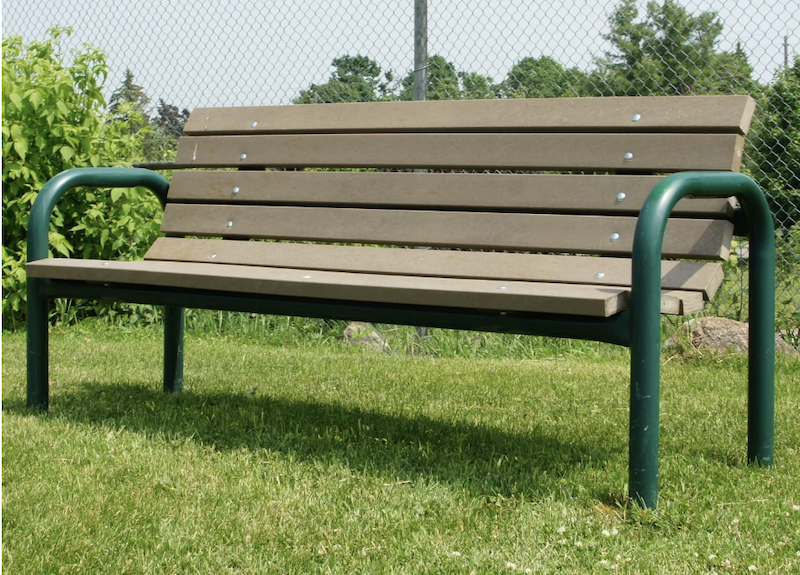
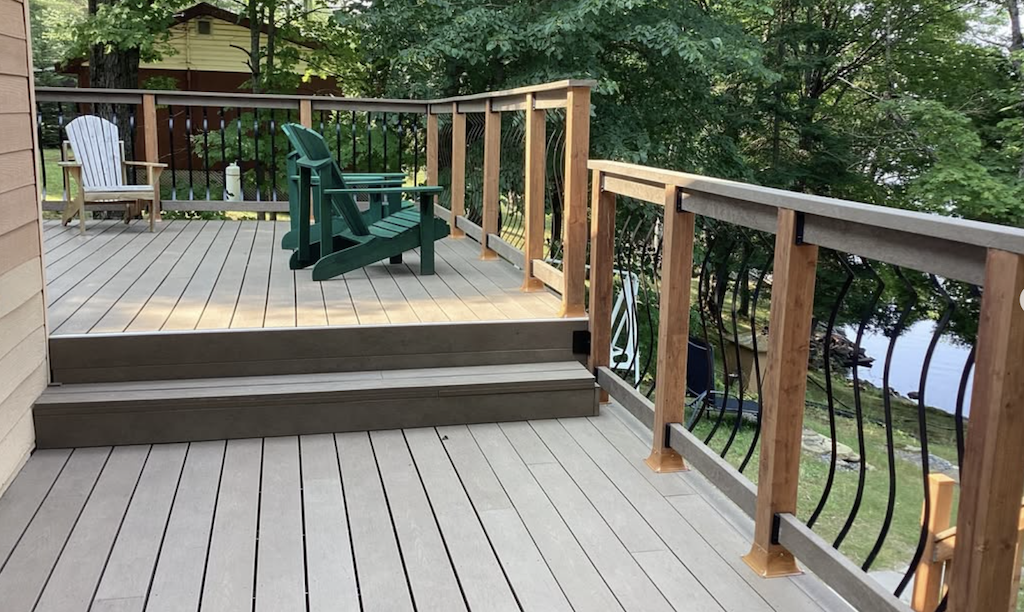
From there, they sought companies who could use the plastic and found the ideal partner in Greenwell Plastics. The Ontario-based company makes outdoor furniture, decking and plastic lumber using recycled HDPE plastic.
“We had meetings with dozens of different plastics recyclers, and some of them were too strict — they needed 10 different colors and seven different plastic categories, and we weren’t able to do that,” Quigley said. “Greenwell was a great fit because they’re able to take the recycled plastic that we’re producing and incorporate it into their finished products like Adirondack chairs and composite decking.”
Once they found the right partner, Quigley said Goodwill had to hone its operation to ensure they delivered the best possible plastic feedstock to Greenwell for making furniture and outdoor decking.
“We invested in an NIR (near-infrared) scanner, which helps us identify the plastic since there are certain types of plastic we use for granulating for the lumber feedstock,” he said. “We’ve trained our teams on what to look for, what types of plastics we use and how to separate the material by plastic type and remove anything that isn’t appropriate for the process, such as metals.”
Outdoor furniture was a good fit for Goodwill’s feedstock because of the durability it requires and the ability to recycle again down the line.
“Outdoor furniture is designed to be durable, and it has to withstand weather, moisture and everyday use,” he said. “The nice thing with recycled material is that it’s built to last, and the furniture or deck boards can potentially be recycled again because they’re just plastic.”

Quigley said the plastic recycling effort has allowed Goodwill Ontario Great Lakes to expand its jobs program, which is a major aspect of the organization’s work.
“It has allowed us to increase our workforce, which is part of our mission for providing jobs and training,” he said. “We’re creating a higher skill set with machine operators and plastic identifiers so we can employ more people to help divert these plastics into other useful items.”
The plastic recycling partnership with Greenwell also allows Goodwill to expand its core mission of sustainability, helping people ensure usable goods find new homes, and those that can’t be used in their original form find new use in other ways.
“Our mission is more than just resale — we have a responsibility to find solutions for the materials that don’t have a second life through our stores,” Quigley said. “Recycling gives us another tool in that process. It allows us to recover value from materials that might otherwise be discarded, and it helps develop a more circular economy. Plus, these initiatives create opportunities for partnerships and innovation, as well as new skills for our employees.”