



HIGH POINT, N.C. — Heading into this week’s International Textile Alliance Interwoven Textile Fair, a significant amount of buzz centered on the recent announcement that STI Fabrics — parent company of Revolution Performance Fabrics and Brentwood Textiles — was acquired by Paradigm Equity Partners.
While private equity acquisition often means bad news for the company being acquired, Anderson Gibbons, STI chief revenue officer and third-generation employee, said this isn’t the typical version of that story.
“This is not a consolidation story — this is a business alignment,” he said. “This is a growth story in that we are already investing in the business. Day one, we put millions of dollars of equity back into the business. Our primary goal is to be the most reliable textile mill for indoor and outdoor residential upholstery in North America.”
Kings Mountain, North Carolina-based STI was founded in 1964 by the Gibbons family primarily as a velvet producer for furnishings and motor homes. Over the years, the company has evolved into a source for residential and contract-grade upholstery and has expanded to include Brentwood Textiles, which STI acquired in 2015, and Revolution Performance Fabrics, which it launched in 2014.
Gibbons and his father, Sean Gibbons — who has been the company’s CEO for the past two decades — both remain in their roles with STI and also serve as equity partners in the family business. Several retirement-age Gibbons family shareholders who did not have day-to-day roles with the company have transitioned away from the business.
“Sean is still president and CEO, I’m still CRO, Jacob Englert is still COO, Matt Maples is still our head of product, Glen Reed is still head of design — it’s the same team,” Gibbons said. “We’re owners, and with our new ownership structure, we have the capability to double the business over the next few years.”
Gibbons said the infusion of funds from Paradigm Equity Partners will allow STI to make significant investments in its business — such as adding equipment and employees at its Kings Mountain and Mississippi mills — that will allow the company to build on the progress it has made while eradicating debt.
“People ask ‘why sell now?’ We thought this was a great time for transition because housing is historically low, interest rates have increased, and we have these macroeconomic headwinds,” Gibbons said. “Luckily, we’ve actually been insulated from a lot of that — this fiscal year, we have double-digit growth over last year. But we’ve bootstrapped by prioritizing distributions over working capital. Now we’ve switched that model to ‘let’s really grow the business.’”
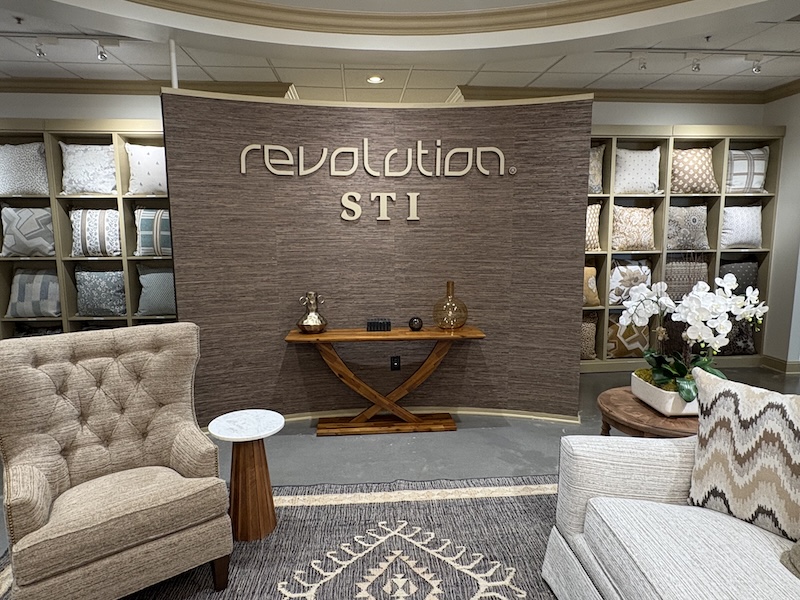
Los Angeles-based Paradigm Equity’s founder and managing partner, Roman Zelinsky, was on hand in the STI showroom during Interwoven. He said the company appealed to him because of its domestic manufacturing model and the potential for growth.
“From a size perspective and a story perspective, it made a lot of sense,” he said. “This is a company that has been able to do a lot with the resources it’s had. And it was crossing over to a growth threshold that would not have been properly executed given the old governance structure of the business.”
Zelinsky said Paradigm focuses its acquisitions on domestic manufacturing companies, such as specialty metalwork maker E&R Industrial, which it acquired from Grainger in 2023. He believes domestic companies such as E&R and STI offer advantages that make them sound investments.
“Governance is a big one, and obviously logistics, but I also think there’s been an oversight of the value that a domestic manufacturer can bring regardless of what industry it’s in,” Zelinsky said. “In this one specifically, over the last 25 years or so, this industry has gone through with an outsourced supply chain and supplier base. That has a place in the industry, but it also lacks the benefits of a domestic mill — speed, ease of business and a level of innovation that’s hard to replicate with international suppliers.”

Along with ownership changes, STI has brought its Brentwood Textiles brand — which was an import line when the company acquired it — fully under its umbrella. The company consolidated the Brentwood showroom into STI’s space in the Home Fashions Resource Center in High Point and streamlined its sales processes in alignment with the rest of the business.
“Our customers have always loved the product, but there was friction in how they ordered it,” Gibbons said. “When we acquired Brentwood, it was an import line with separate processes, separate ERP, separate sales force. We believe the brand will continue to grow if we can simplify how our customers spec that product.”
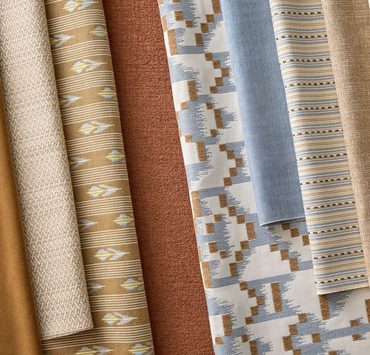
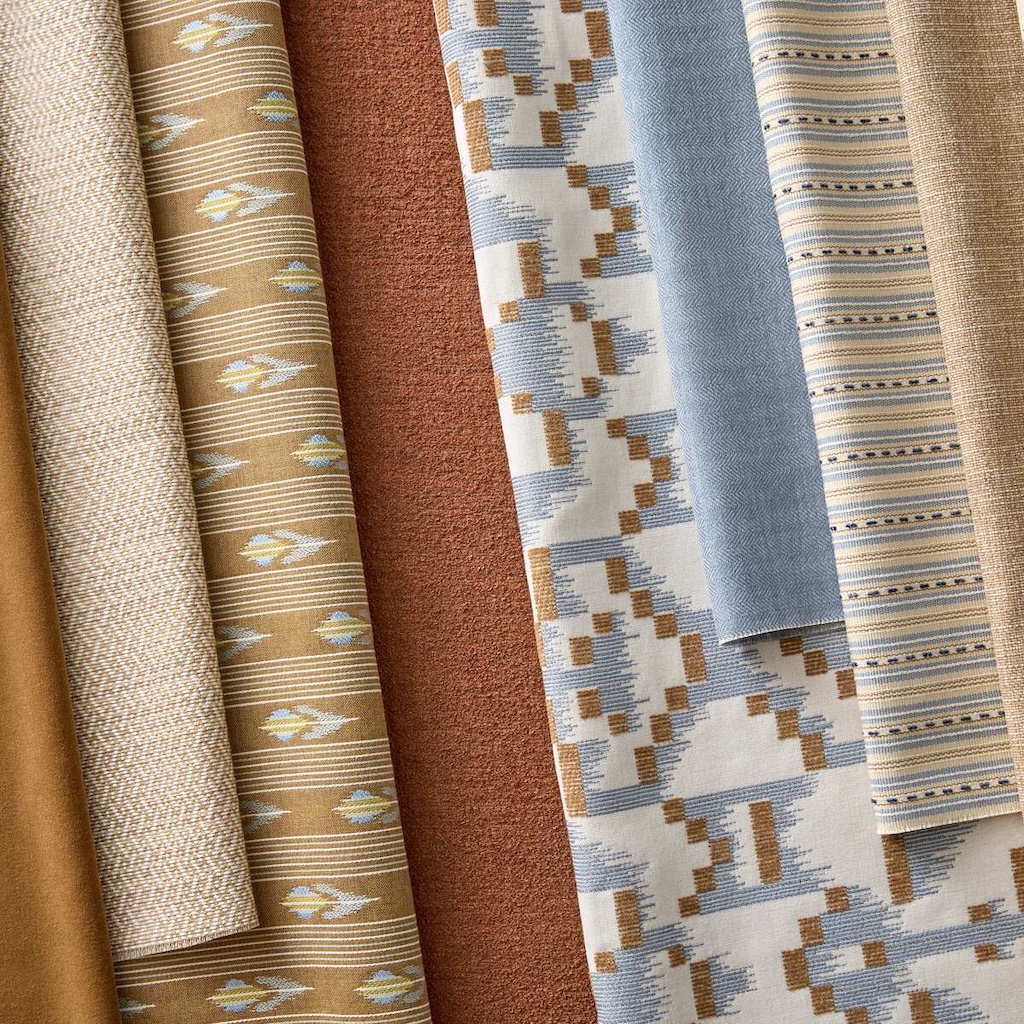
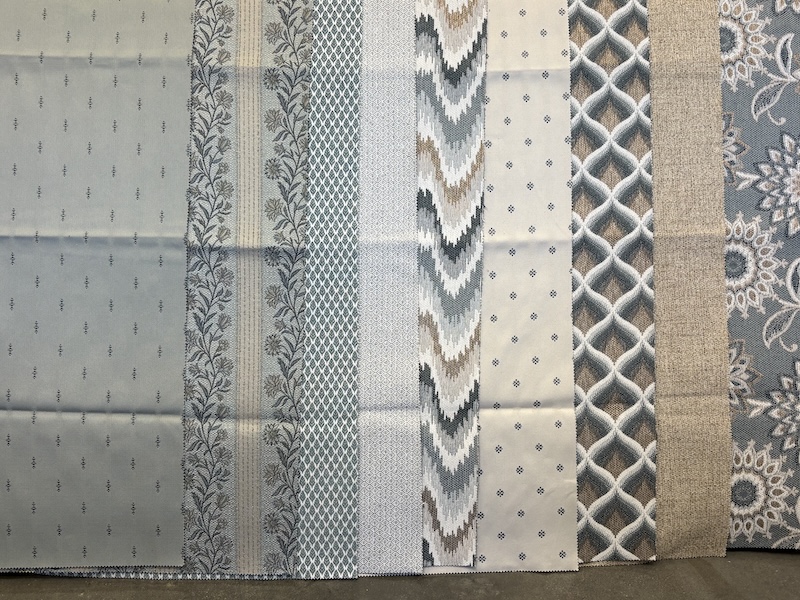
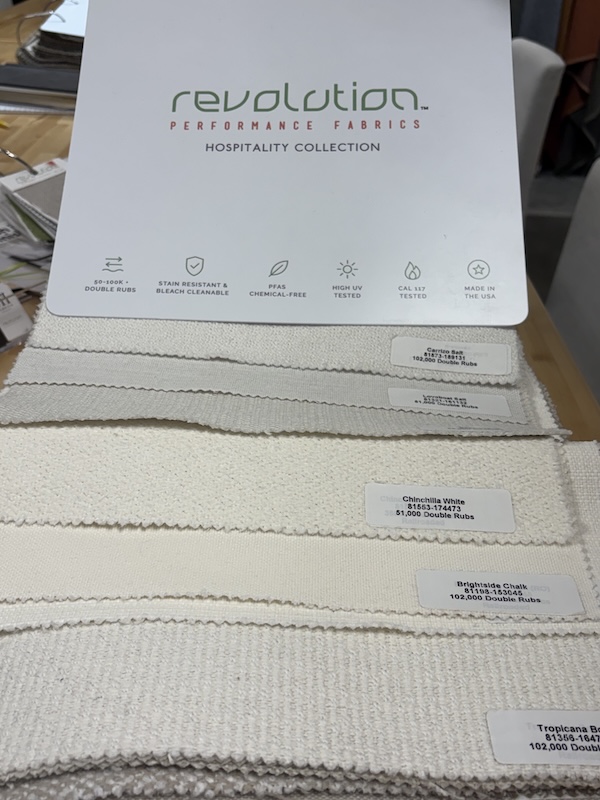
And though the acquisition may have been the big news heading into market, at the show, STI backed up its growth story with three new collections from its Revolution Performance Fabrics line, which Gibbons said accounts for about 15% of the company’s business. STI also recently came off its first showing at BDNY, with Gibbons emphasizing Revolution’s push into hospitality along with outdoor residential.
“We’re about to hire 10 to 15 hospitality reps, we showed at BDNY for the first time — hospitality continues to be a much larger portion of our business,” he said.
Ultimately, Gibbons said Paradigm Equity’s investment won’t just benefit STI — it also will improve the experience of existing and future customers of the company’s brands.
“Because we’re increasing working capital in the business, adding stock on yarn inventories, delivery times will shorten, and reliability will increase,” he said. “The changes you see from STI going forward will be positive.”