




As generative and agentic commerce changes how consumers discover and compare products, furniture retailers face growing pressure to make their full ranges visible and ready to sell online.
2026 NielsenIQ research found that 51% of U.S. consumers had used an AI-powered tool to support their shopping in the past month, highlighting how quickly AI is becoming part of the product discovery process.
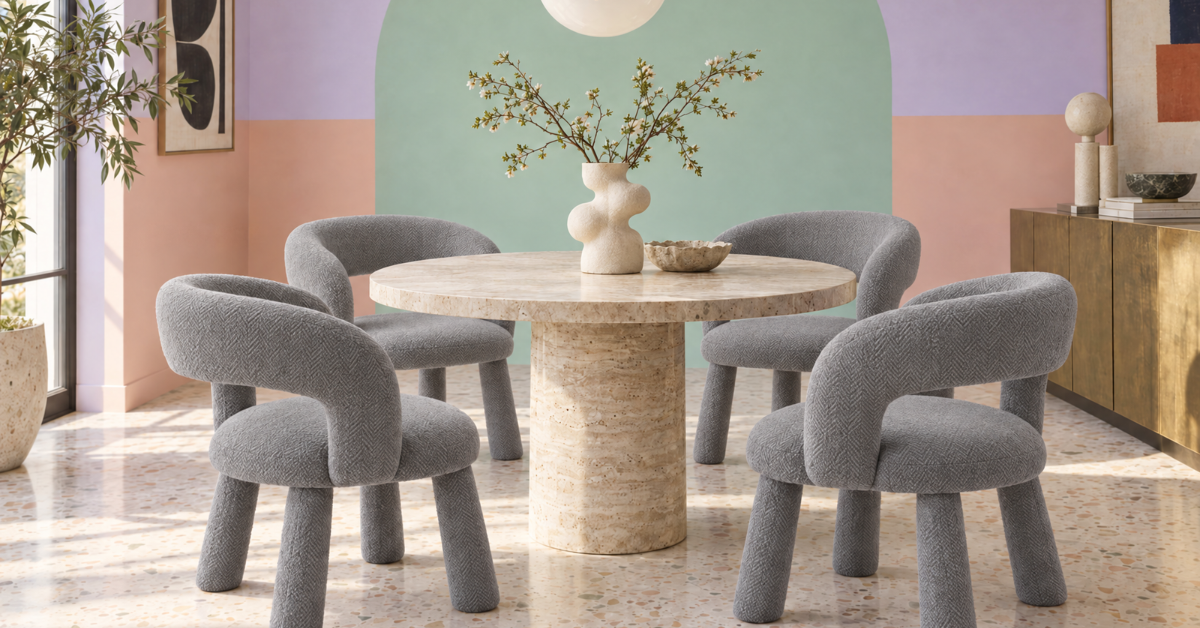
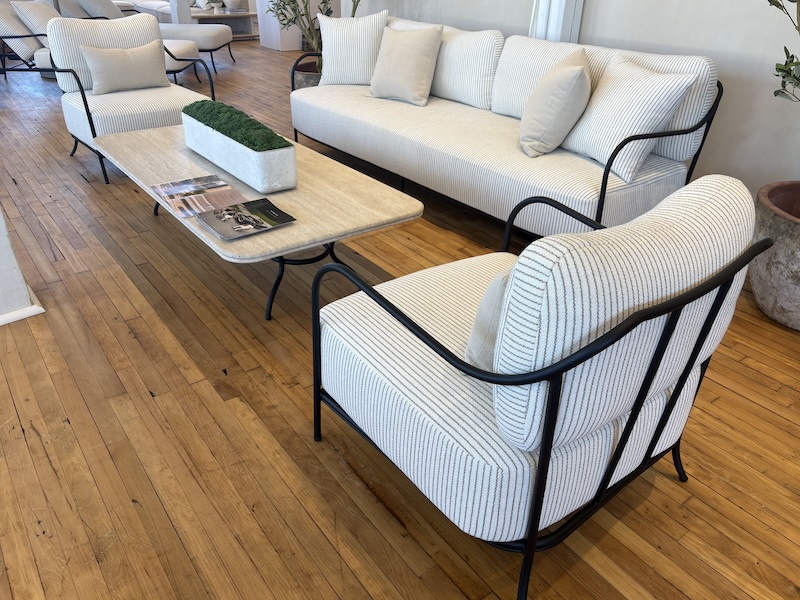
According to AI imagery company Furniture Connect, this presents a particular challenge. Furniture is a tactile purchase, with customers wanting to see fabrics, finishes and different product variations before committing. For example, a sofa may be available in 50 fabrics but have only three photos, leaving 47 options untouched and hard to sell online.
Pavir Patel, CEO and co-founder of Furniture Connect, works with retailers to tackle this challenge. The company builds tools that help furniture brands create better imagery and sell more.
Patel said many still rely on slow, manual processes to turn supplier PDFs and spreadsheets into product listings and prepare imagery for different sales channels. AI is creating opportunities to generate imagery for variations that have never been photographed, bring products to market faster and test demand before stock arrives.
“Traditional photography is very expensive for furniture retailers and takes a long time,” Patel explained. “Our initial product was an AI image platform for retailers and manufacturers. That grew extremely quickly, but we always knew that photography is only one part of a really long end-to-end product journey. What we expanded to is helping brands with supplier data ingestion.”
In the case of imagery and visualization, speed to market is essential, according to Patel, and it saves brands real money.
“The sooner you can list something online, the sooner that product can be making sales,” Patel said. “So cutting that down from months to days means you’re getting $10,000-$20,000 in extra sales, speeding up the process. The furniture industry is becoming more trend-based, meaning that the product cycle is actually sped up too. People have to adapt more quickly to what’s happening in the market, get new products on board, and list them faster compared to five years ago.”
The company has worked with several large brands in the industry, including Hooker Furnishings, Gabriella White and GJ Styles.
Gabriella White uses Furniture Connect to create fabric variations and lifestyle imagery across locations that would otherwise be difficult or impossible to photograph. The company has reduced Silhouette workflow time by 40%, according to Patel.
Hooker Furnishings has built a lifestyle library and released new fabric options to outdoor customers. It uses Furniture Connect to create lifestyle imagery and visualize additional fabric options without photographing every variation.
Daniel Hazlett, Hooker’s sales operations manager, said the platform is easy to use, the image generation is fast and accurate, and the quality is fantastic.
At GJ Styles, Furniture Connect helped reduce the time required to create silhouetted product images by around 90%. They also reduced the time spent preparing and uploading new product imagery by around 90%.

“Furniture Connect has helped us streamline the entire process of getting products to market,” said Kirsten Willingham, brand manager. “It brings multiple tools together in one platform, allowing us to cut the time involved in creating, preparing and uploading imagery by around 90%. At the same time, we’re creating a more consistent look across our website and giving customers a better understanding of our products before they buy. We’re also using Furniture Connect beyond e-commerce, creating line drawings from our product imagery to share with manufacturers. This gives us much more flexibility in how we develop and bring new products to life.”
Patel said these companies choose Furniture Connect because they can do more SKUs at a larger scale.
“Doing anything for hundreds or thousands of SKUs is hard with furniture products,” he said. “From a pure retailer perspective, they could have lots of different suppliers and manufacturers sending them product data in different formats. They’d have to work that out in Excel or write copy with ChatGPT one by one to get them ready to sell. That often takes them months, and we can do it in days.”
Patel added that the company works exclusively with furniture retailers and manufacturers, which gives them specialized knowledge in the industry.
“We’re one of the only AI companies that is dedicated specifically to furniture,” Patel said. “That means that all of how we use AI for product data, for image creation, for product listings, etc., is optimized for furniture. We have an extremely talented team that is focused on the problems that furniture retailers and manufacturers face.”
Looking forward, Furniture Connect is making updates, like plugging into Shopify’s and Wayfair’s APIs, so customers can get their products listed even faster. The company also plans to hit 100 customers this year, and it is increasing its focus on the U.S. market.