


It has been nearly 10 years since Bassett Furniture acquired Lane Venture, and the company has grown significantly in that time thanks to Bassett’s domestic operations. According to Lane Venture’s vice president of sales and marketing, Schon Duke, this is because the acquisition was not simply a transactional one, but a true partnership that helped transform the outdoor brand.
Bassett’s investment in the outdoor side has paid off, as Lane Venture’s domestic factories experienced a 25% increase in orders in 2025. Duke said he expects that momentum to continue into 2026 as retailers seek supply-chain stability, customization and insulation from tariff volatility.
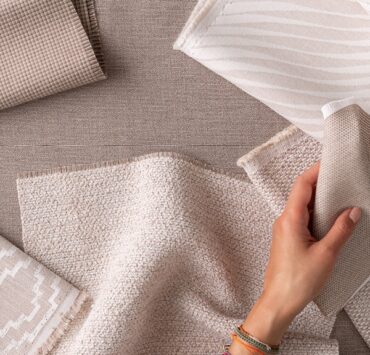
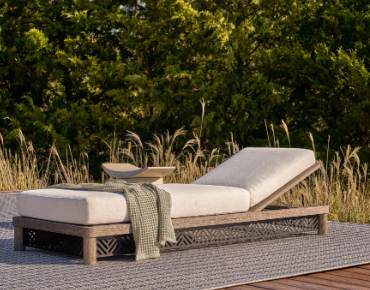
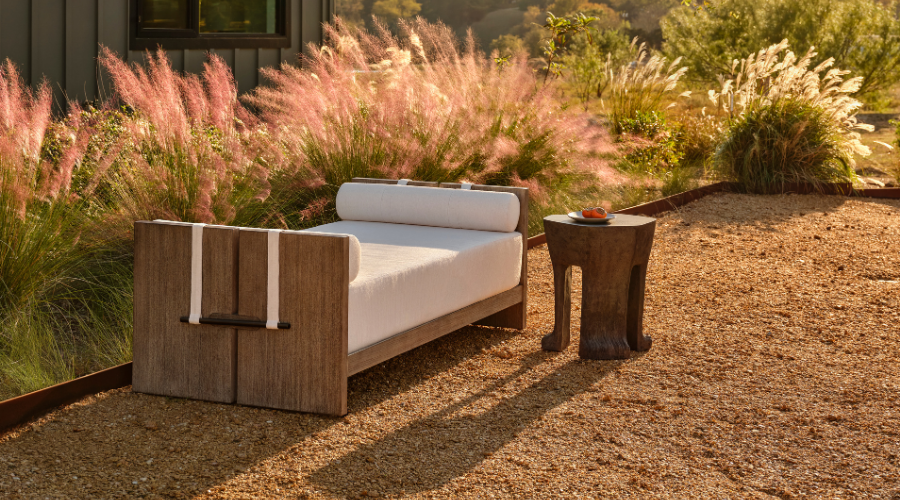
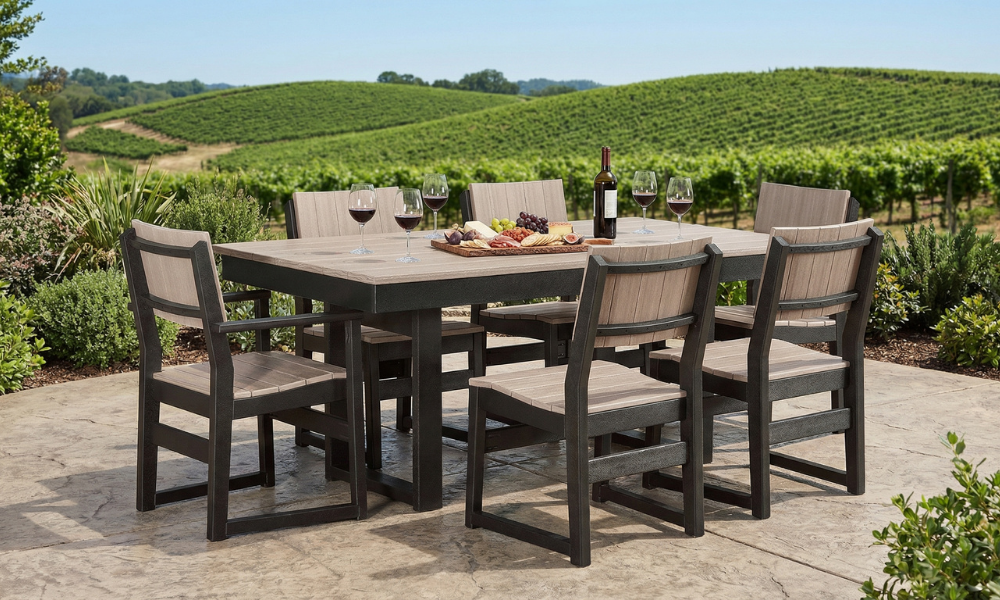
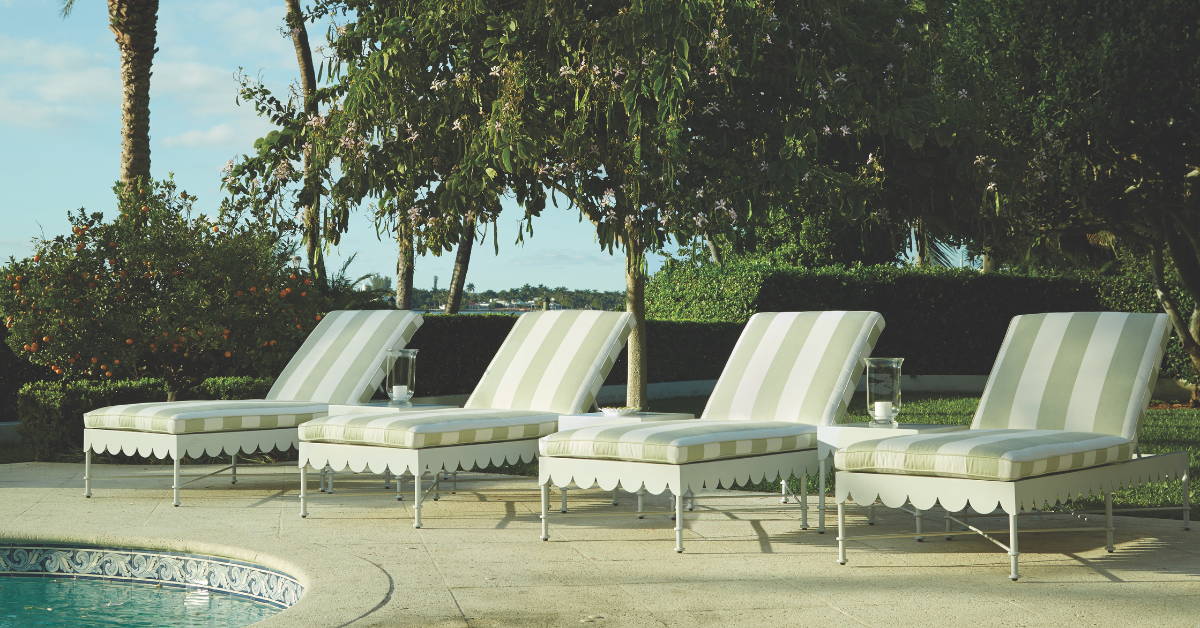
“As part of Bassett Furniture, which manufactures nearly 80% of its furniture domestically, Lane Venture has adopted the same core philosophy,” he said. “Today, nearly half of our product is made in the United States, with domestic manufacturing in Newton, North Carolina, and Haleyville, Alabama. In Newton, we produce all of our cushion seating and performance outdoor upholstery. In Haleyville, we manufacture our highly customizable aluminum furniture. We currently offer 154 in-stock fabrics and 15 designer frame finishes on our domestically made aluminum collections — an unmatched level of choice in the outdoor category.”
Duke also said that because of Bassett, Lane Venture can drill down into collections and trends and see which products and channels are performing well. With that data, Duke said Lane Venture has had an influx of designer customers, and they are the company’s second largest customer base behind full-line furniture stores.
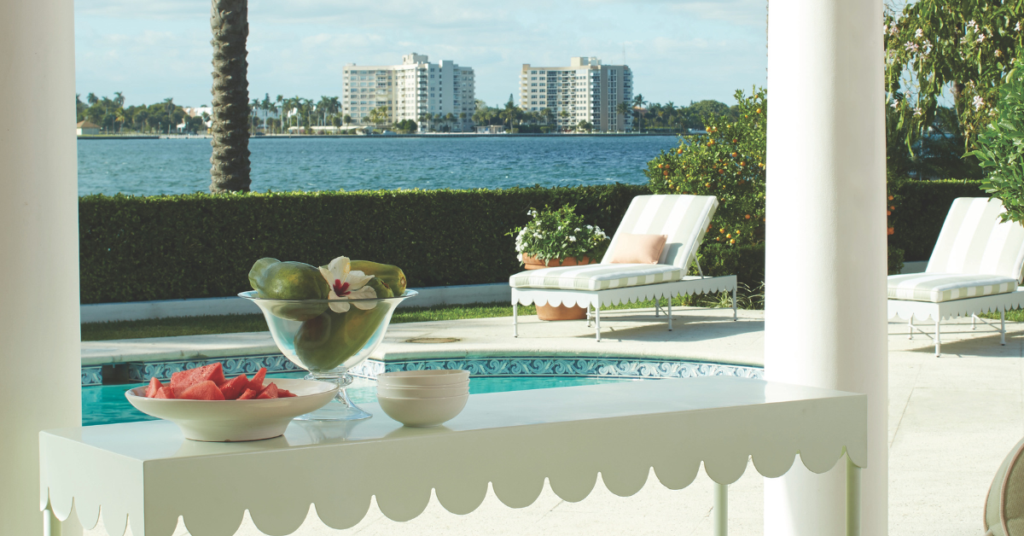
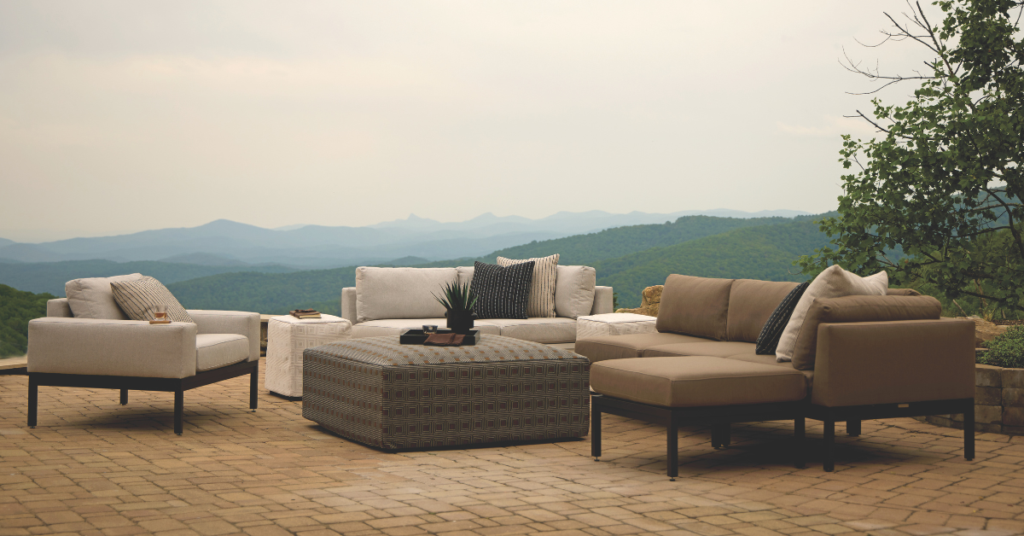
Duke believes that the design trade is gravitating to Lane Venture because of its customization abilities and its domestic production. From its Haleyville facility, the company can make and send a customized sofa in four weeks on the East Coast. That’s an important capability for designers and furniture stores alike.
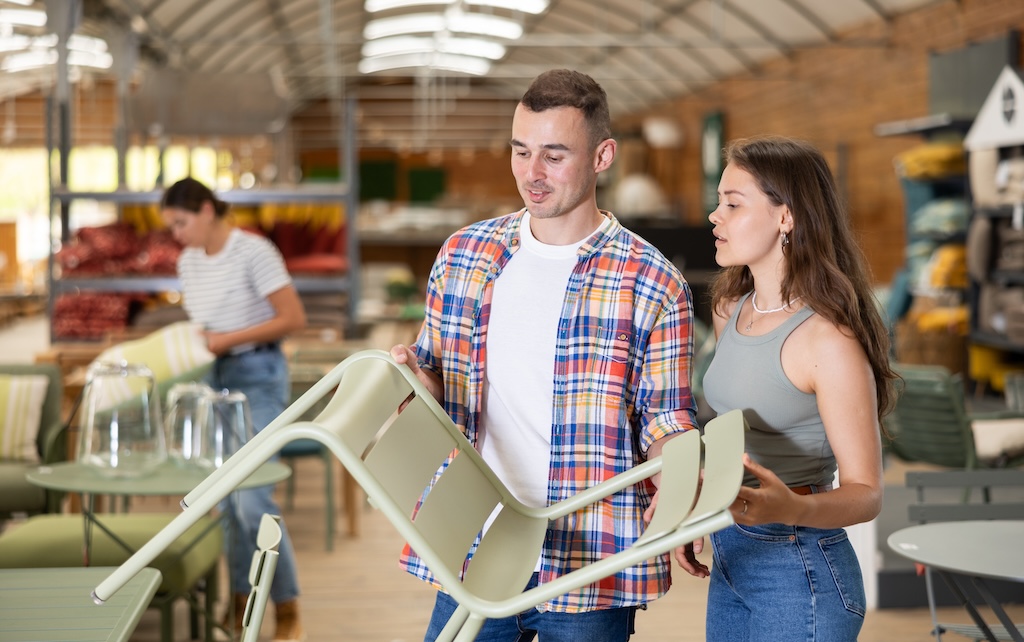
“Almost every indoor furniture store has outdoor now,” Duke said. “The end consumer is shopping for indoor furnishings, and now they’re seeing the outdoor at the same place that they’re trusting to sell them indoor. We’re starting to see the full-line furniture store category pick up, and that may actually be a challenge for specialty retailers.”
Specialty stores, while not owning as much market share as they used to, are still important customers to Lane Venture.
“A good retailer is a good retailer,” he said. “And we have some amazing specialty retailers who, despite what’s happening in the industry, are owning the category in their markets. Lane Venture is going to excel in that category by working with the best retailers that understand merchandising and how to succeed in the outdoor category. For example, we just put together an almost 4,500-square-foot branded Lane Venture space in Furnitureland South that will launch in February. They understand the category and the branding. Those who are differentiating are winning.”
Duke said that the entire furniture industry has long operated in what he calls an economic lockbox — its performance is closely tied to the broader housing market.
“Over long time frames, industry growth and contraction move almost in lockstep with housing activity,” he said. “Gary Friedman of RH has referenced this truth dynamic publicly, and it remains just as relevant heading into 2026. Layered onto this cycle is a new and very real challenge: tariff-driven price increases on imported furniture implemented last year.”

Moving into 2026, he says the industry will face a critical test — whether end consumers are willing or able to absorb materially higher retail prices.
“Specialty outdoor retailers for years have been the core customer at Lane Venture and are now in very turbulent waters going into 2026,” he said. “These specialty outdoor players are being squeezed from both ends. On one side, tariffs have pushed costs higher on imported goods. On the other hand, full-line indoor furniture stores — big-box and high-end niche retailers — now feature robust outdoor furniture assortments across virtually every price tier in the marketplace. The designer is now curating a different journey with consumers who do not even rely on the retailer.”
According to Duke, many consumers, especially at the high end, are hiring experts to help navigate the choices and curated designs in their homes.
“The design trade across both indoor and outdoor is now flexing its muscles and dollar volume more than ever,” he said. “The outdoor furniture category is no longer a niche category; it’s everywhere. In this environment, only the best-merchandised and best-informed retailers with staff willing to do in-person house calls will successfully navigate what lies ahead.”