


From inflation to higher gas prices, weakened consumer confidence and ever-changing tariffs, the casual industry continues to be faced with challenges around every corner. According to Eli Hymer, if the industry breaks even this year, it will be a win.
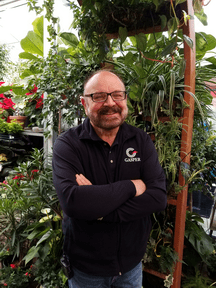
The department manager and buyer at Gasper Landscape Design has high hopes for the casual category and is most curious about AI and how it could benefit the industry.
We caught up with the retail veteran to talk about how AI could come into play, the state of the casual industry and what he’s looking forward to this year.
What opportunities does the casual industry have this year?
The biggest shift and the biggest change for me is that I see that more and more people are treating their outdoor spaces as permanent living spaces and not just as an extension of their home. It’s no longer just an area used in the summertime; it’s become more year-round everywhere. People are putting in heaters, televisions, outdoor kitchens and roof structures, and it’s a year-round part of their lives. Even in our climate in the Northeast U.S., where we have very bad winters, people still use those outdoor areas because they have heaters or louvered blinds that come down. People have their Super Bowl parties in January or February outside. In our landscape division, more people are having structures built, probably more so than decks or patios.
The industry’s other biggest opportunity is AI. I don’t know how to best use it yet, but it’s probably the most exciting thing that we have going forward in this industry. At the same time, it’s also the most terrifying.
What do you think are some of the biggest challenges that the industry is going to face for the remainder of this year?
We have a lot of challenges. There are fuel prices — because we have a lot of products that were petroleum-based — but there are also supply shortages. I have manufacturers that are having issues getting raw aluminum. We’ve gone through so much erratic pricing within the past couple of years. Just when I think things are going to calm down and get back to some kind of normality, something happens again, no matter where you are on the political spectrum.
Customers are being affected every day by fuel, grocery and utility prices that have gone up. So this year, they might buy a little bit less — I’ve never had so many customers coming in just for cushions. Some of our manufacturers’ prices went up 20%.
Despite these challenges, do you think the industry will come out on top this year?

If you can have a flat year, I would count that as a win, because we have a lot of challenges ahead of us. My philosophy is that if I can do what I did last year, even though I know expenses have gone up, that’s a plus for me. I spoke to a few retailers who all agreed how weird it was that we had a spurt of business in February and March. April was not great, and that’s somewhat concerning because it’s typically a very strong month. But it’s still early, so I’m optimistic.
What do you think the industry should be paying attention to this year?
We should be paying attention to fuel charges and diesel prices because we all have vehicles and operate delivery services that require them. We should also look at buying from countries that have less of a tariff, or no tariffs. And with that, we should look at their inventories. I don’t think anyone wants to carry product over when they can have the money in the bank.
What are you most excited about for the future?
I’m most excited about the opportunities the industry has with AI, but also most fearful about it. As retailers in this country, we have to recognize what AI can help us with and what we need to be cautious about. Our questionnaire from the last ICFA conference showed that about 85% of the people who responded want to know more about AI. Therefore, we’re developing speakers in order to give us real-life situations where we can see AI in action and what it can do. It’ll be very exciting as long as we’re somewhat cautious.