



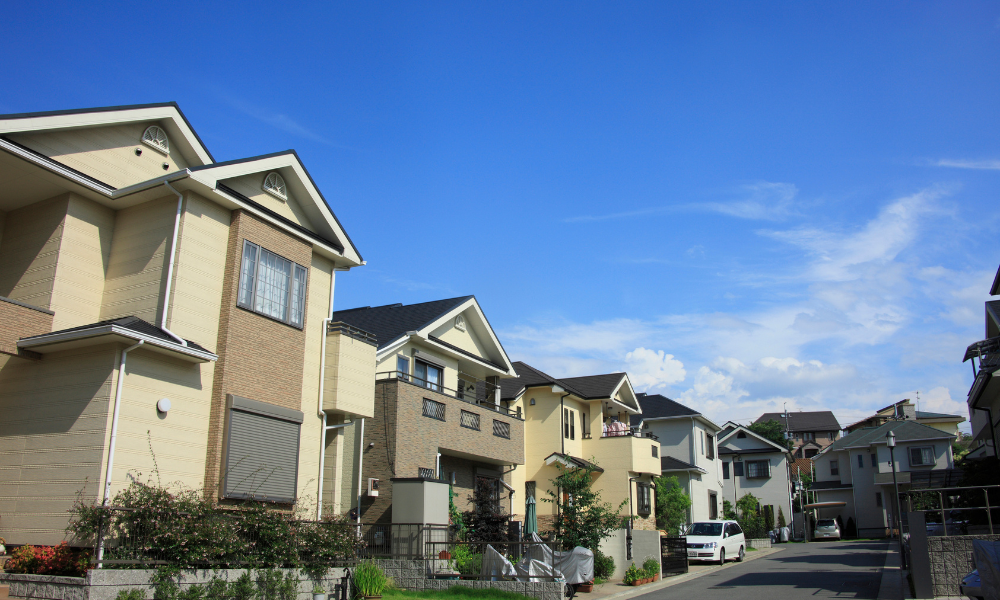

Of all the macro economic factors that can affect the furnishings industry, homebuilding has become one of the biggest indicators of business for the sector. And a glimmer of good news came this week on that front with the latest builder sentiment numbers from the National Association of Home Builders/Wells Fargo Housing Market Index.
Responses to the survey sent this month — after the start of the Iran conflict — saw a modest one-point rise to 38 in builder confidence in the market for newly built single-family homes. That gain comes after a revised upward one-point revision in February.
“Affordability for buyers and builders remains a top concern,” said NAHB Chairman Bill Owens, a homebuilder and remodeler from Worthington, Ohio. “Many buyers remain on the fence waiting for lower interest rates and due to economic uncertainty. Builders are facing elevated land, labor and construction costs and nearly two-thirds continue to offer sales incentives in a bid to firm up the market.”
Unfortunately, those lower rates won’t hit anytime soon, as yesterday Federal Reserve Chairman Jerome H. Powell announced that the central bank would not reduce interest rates, remaining at the range of 3.5% to 3.75%. The Fed’s statement on the decision pointed to the ongoing conflict in Iran, which has caused major disruptions to the Strait of Hormuz shipping channel and a significant spike in oil and gas prices, as well as a less-than-stellar labor market and expected inflation.
Oil and natural gas prices soared on Wednesday after strikes on South Pars, one of the world’s largest gas fields. The global oil benchmark, Brent crude, increased 5% to near $109 per barrel, while the United States benchmark, WTI, rose 2.5% to $98 per barrel. With gas prices already high from Strait of Hormuz disruptions, these additional spikes in crude will likely make filling up even more expensive. Crude prices are up around 40% since the conflict with Iran began on Feb. 28.
Experts said that those elevated gas prices could deter some homebuyers from taking the plunge this year, but they remain hopeful that the building sector will continue to inch ahead.
“While the Freddie Mac 30-year fixed rate mortgage averaged 6.05% in February, the lowest since August 2022, down-payment hurdles and uncertainty from the conflict with Iran and the price of oil will be headwinds going forward,” said NAHB Chief Economist Robert Dietz. “The administration’s executive orders issued last week to reduce regulatory burdens associated with homebuilding are a positive step toward increasing attainable housing supply.”
The HMI survey also found that 37% of builders cut prices in March, up slightly from 36% in February. The average price reduction remained stable at 6%, while the use of sales incentives was 64% in March, down one percentage point from February, and marking the 12th consecutive month this share has exceeded 60%.

With the turmoil around tariffs and the conflict in Iran, even a small bit of good news in the form of positive movement in the homebuilding industry is welcome for the home furnishings industry. And if housing continues to improve, the casual industry will likely grow with it.
“Until housing turns, there is no high tide,” said Tom Murray, CEO of NorthCape, when speculating about the direction of the 2026 season. “You could have no tariffs right now, and I’m not sure we’d really be seeing a much different situation on demand. The housing’s really what drives our industry.”