


This year has not been an easy one for the casual industry. In fact, the past few years have had their share of challenges, which brought about the phrase “survive to 2025.” Then, once we made it to 2025, it was “survive to 2026.” And now, finally, the industry may get a reprieve in 2026.
“Tariffs have been the talk for much of 2025 but are now more of the backdrop of the current times, and we are now talking about product, style, selection and lead times,” said Bryan Echols, vice president of Jensen Outdoor. “Leading into the season for the upcoming year, we have already seen a significant uptick in special orders, which is indicative of many of the active consumers wanting the product exactly the way that they want it and are willing to wait to receive it. Quality outdoor furniture is an investment, so the discerning customer is looking for the exact pieces that fit their lifestyle and the overall style of their outdoor venue.”

He adds that outdoor living continues to be very important to most of Jensen’s customer base, and that is reinforced by the continued interest from the design community and the hospitality sector.
“We are looking for 2026 to continue to have a push for special orders, so lead times will be key to the season,” Echols said. “We are also expecting to continue to see growth in our design and hospitality business segments.”
Schon Duke, vice president of sales and marketing for Lane Venture, believes the entire furniture industry has long operated in what he calls an economic lockbox — its performance is closely tied to the broader housing market.
“As we move into 2026, the industry will face a critical test — whether end consumers are willing or able to absorb materially higher retail prices,” he said. “I do not think this has shaken out yet in the real world of furniture retail. Specialty outdoor retailers for years have been the core customer at Lane Venture and are now in very turbulent waters going into 2026. These specialty outdoor players are being squeezed from both ends. On one side, tariffs have pushed costs higher on imported goods. On the other hand, full-line indoor furniture stores — big-box and high-end niche retailers — now feature robust outdoor furniture assortments across virtually every price tier in the marketplace.”
Duke says he also sees a growing divergence in the outdoor category, and tariffs are accelerating it.

“Many retailers still rely heavily on a commodity product model focused almost exclusively on price. Much of this product comes from the same offshore factories, shared across multiple brands, differentiated largely by nameplates. In 2026, that model carries real risk. Retailers who continue to shuffle low-margin, low-differentiation goods can quietly — and quickly — find themselves in trouble. The retailers who will succeed are those who shift toward special-order business off their floor, differentiated design, strong merchandising and brands with the operational capability to support customization and service.”
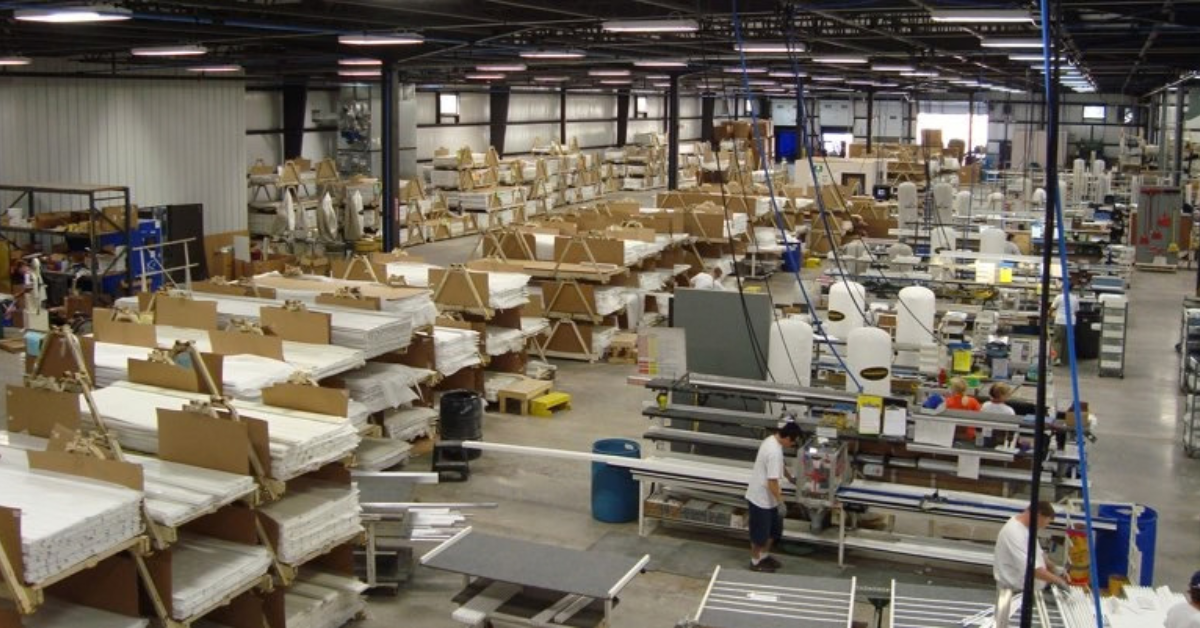
Looking ahead, Duke said he believes the winners in 2026 will be brands and retailers that emphasize consistency in service, domestic manufacturing capabilities, compelling design and meaningful special-order offerings.
“Lane Venture’s focus is squarely on those pillars,” he said. “In a rapidly changing outdoor furniture landscape, our brand is uniquely positioned not just to weather the shifts ahead — but to continue growing through them.”
And while there will remain challenges in 2026 like any other year, looking for opportunities and bright spots is a key to pushing forward.

Erik Mueller, CEO of retail operation Watson’s and founder of Plank & Hide, says he is cautiously optimistic.
“The current administration has passed tax policies that should put discretionary dollars in people’s pockets,” he said. “Interest rates have been coming down, which is a mental shift for many consumers. Even if the rates aren’t at a highly impactful level yet, the fact that they have dropped is a positive thing.”
He adds that while everyone, from consumers to retailers and manufacturers, dealt with tariffs last year, that uncertainty might be behind us in 2026.
“We should have more stability coming out of Washington in 2026, and hopefully, geopolitics will also settle down as well,” he said. “When you put all of these things together, we think 2026 can be a better year than 2025.