


For many years, outdoor furnishings manufacturer Agio had one major client focus — retailers. From independent patio shops to mass merchants to e-tailers, the brand built its business around producing product to sell to consumers in stores. But as the retail landscape continued to change and become more challenging in the post-Covid era, Agio felt it was time to make a move into a new category — hospitality and contract design.
“Agio has always been rooted in strong design, vertical manufacturing and long-standing retail partnerships — but we were hearing a consistent message from designers and procurement teams: They wanted the same quality, scale and reliability we’re known for in retail, translated into hospitality-grade product. Creating a dedicated division allowed us to respond intentionally to that need,” said Chelsey Wolf, director of marketing, Agio. “We also saw a major opportunity to diversify our business and bring Agio into commercial environments. Hospitality is a natural extension of what we already do extremely well: quality craftsmanship, material innovation and consistent execution at scale.”
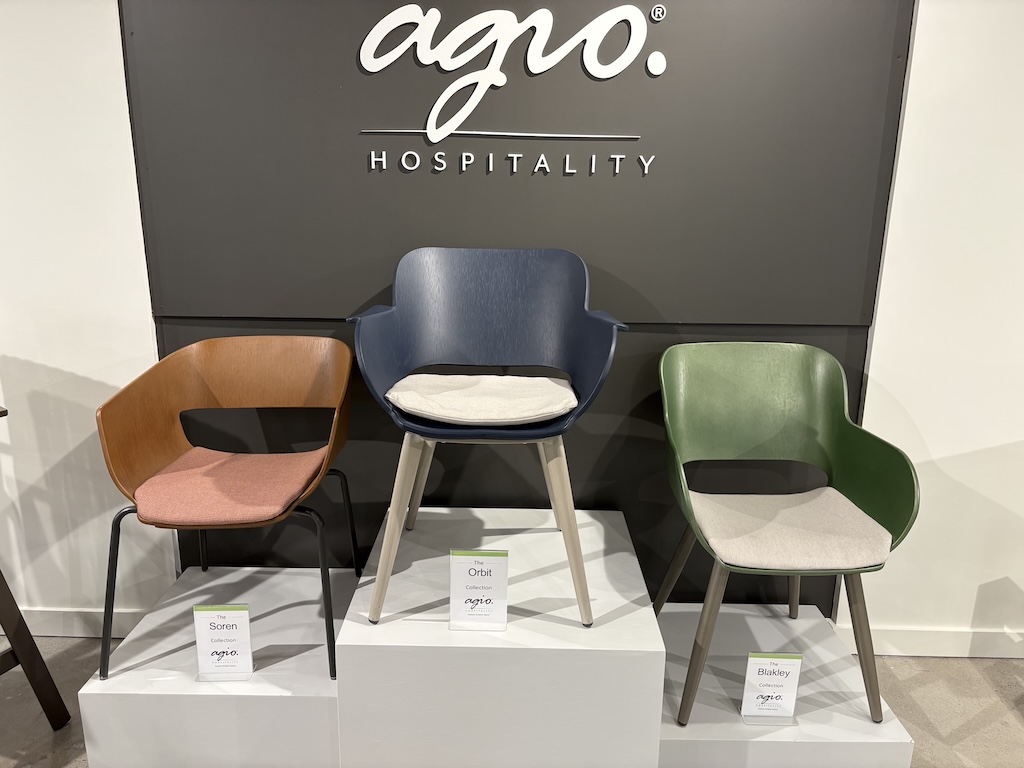
Agio isn’t the only outdoor company seeing hospitality as a way not only to diversify their business but also push the boundaries of design for clientele more open to bold looks than the typical consumer. Polywood also recently launched a hospitality division and made its debut at BDNY, the trade show serving the boutique hospitality sector. And full-line manufacturer Four Hands also made its entree into the category with a dedicated hospitality division.
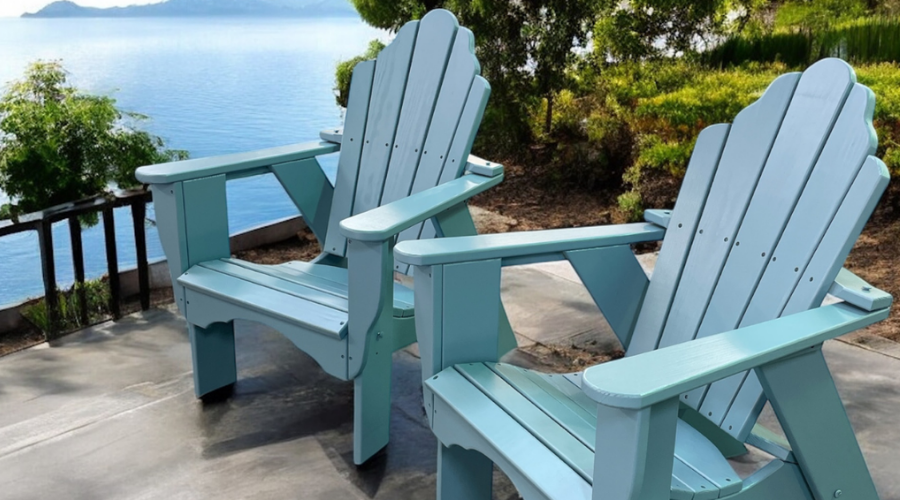
“Our move into hospitality came from listening closely to the industry and recognizing how quickly outdoor spaces were becoming a priority for hotels, resorts and commercial environments,” said Megan Pierson, executive vice president of business development, Polywood. “We’ve supported commercial projects for many years, so creating a dedicated commercial and hospitality division was a way to be more intentional and responsive to what designers and operators need.”
In a time when tariffs and unfavorable spring weather conditions have created uncertainty and volatility in retail, particularly for the outdoor category, the hospitality sector offers an opportunity for growth. Global travel is on the rise according to multiple indicators, with UN Tourism reporting that global travel increased by 5% during the first half of 2025 compared to the same period last year and up 4% over pre-pandemic numbers. And according to EHL Insights, the global hospitality market grew to $4.9 trillion in 2024, with travel and tourism expected to grow 5.8% annually through 2032.
“Hospitality has been a stabilizer,” Wolf said. “As retail evolves — especially with tariff pressures — hospitality offers longer planning cycles and a customer base that values longevity and durability. It allows us to allocate our manufacturing capabilities more strategically across channels while maintaining quality standards.”
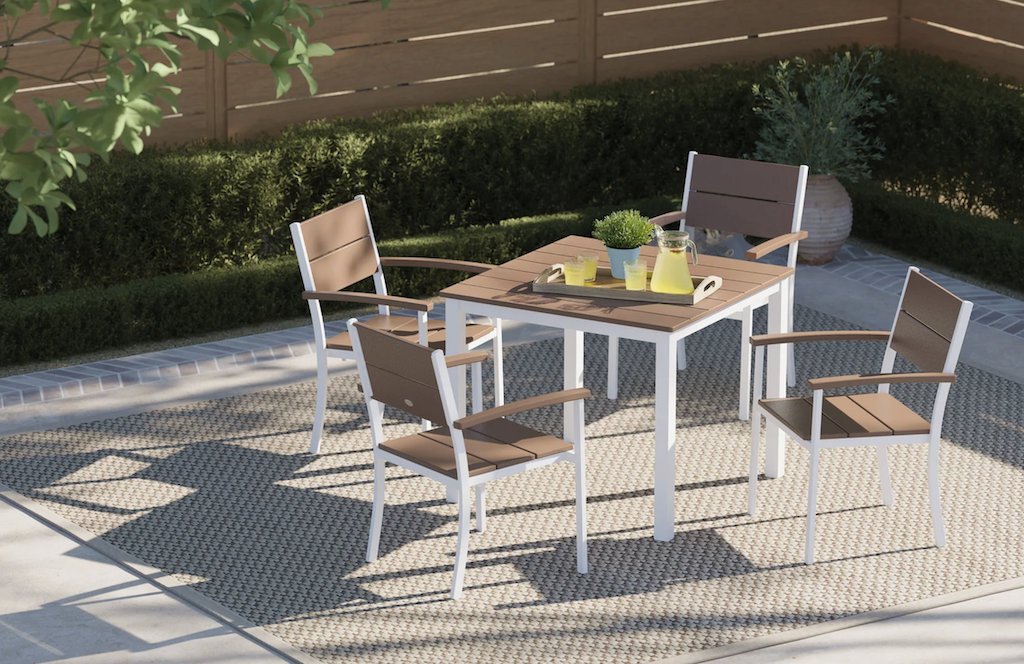
Most brands see hospitality and contract business as a complement to retail, both from a financial perspective and in how they build traction with consumers.
“Retail will always be a core part of who we are, and it continues to be a strong, healthy channel for the brand,” Pierson said. “Expanding deeper into hospitality allows us to build on that foundation in a really strategic way. The two sides of the business complement each other — retail gives us incredible consumer insight and scale, while hospitality opens the door to project-driven partnerships with designers, purchasing groups and hotel brands.”
And as companies continue to court interior designers, having a wider breadth of product capability allows manufacturers to better position themselves to serve that critical customer base.
“Entering this space allows us to serve a new customer to Four Hands who is uniquely focused on hospitality architecture and design,” said Adam Dunn, senior vice president of design, Four Hands. “But it also allows us to better service our existing customer base who is more and more spanning both worlds. Many of our designers are already working on both residential and hospitality projects — we now offer them an easier solution.”
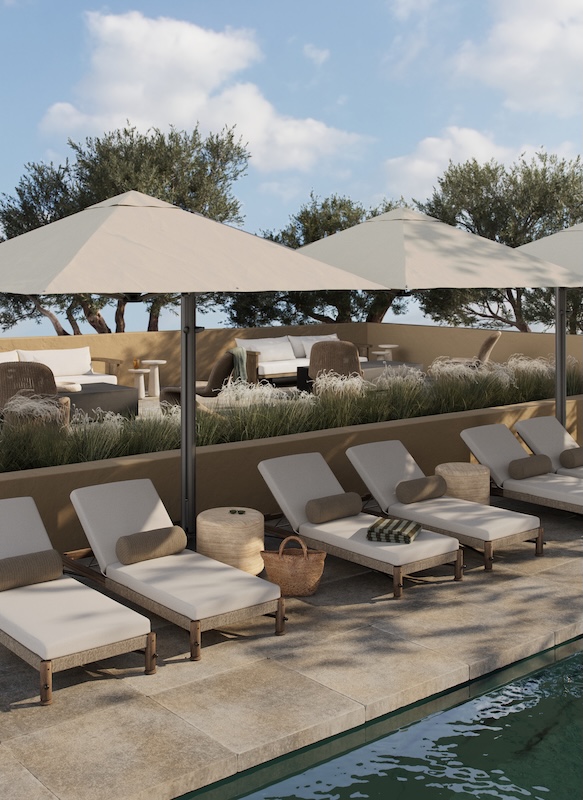
Hospitality and contract clientele also give outdoor companies the opportunity to expand design boundaries and be more creative with product that wouldn’t necessarily work in retail.
“The hospitality channel lets us push the envelope — richer materiality, bolder silhouettes, more architectural influences and design stories that aren’t constrained by retail timelines or box specifications,” Wolf said. “We’re able to explore new finishes, incorporate more intricate details like rope-tie accents (on our Bouy collection), introduce sintered stone and Resysta in unique combinations, and design with the mindset of how a guest experiences a space, not just how a consumer shops a floor set. That creative freedom has been energizing for our design and product teams.”
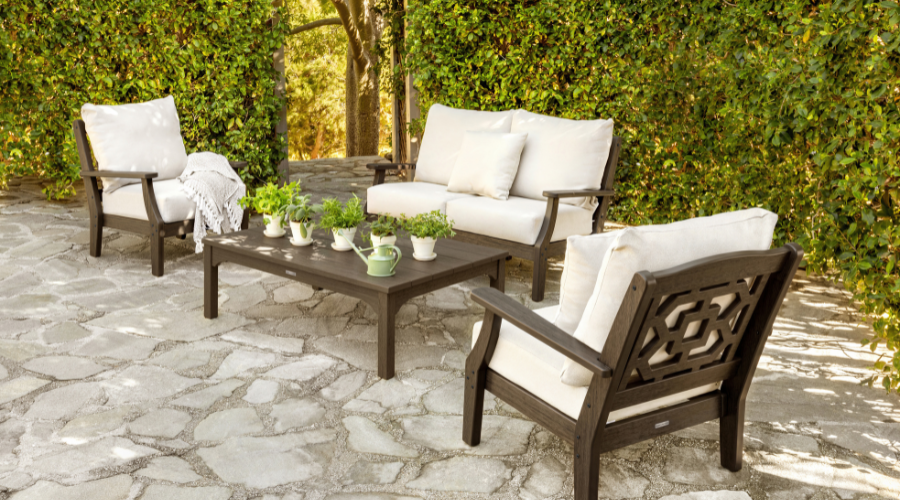
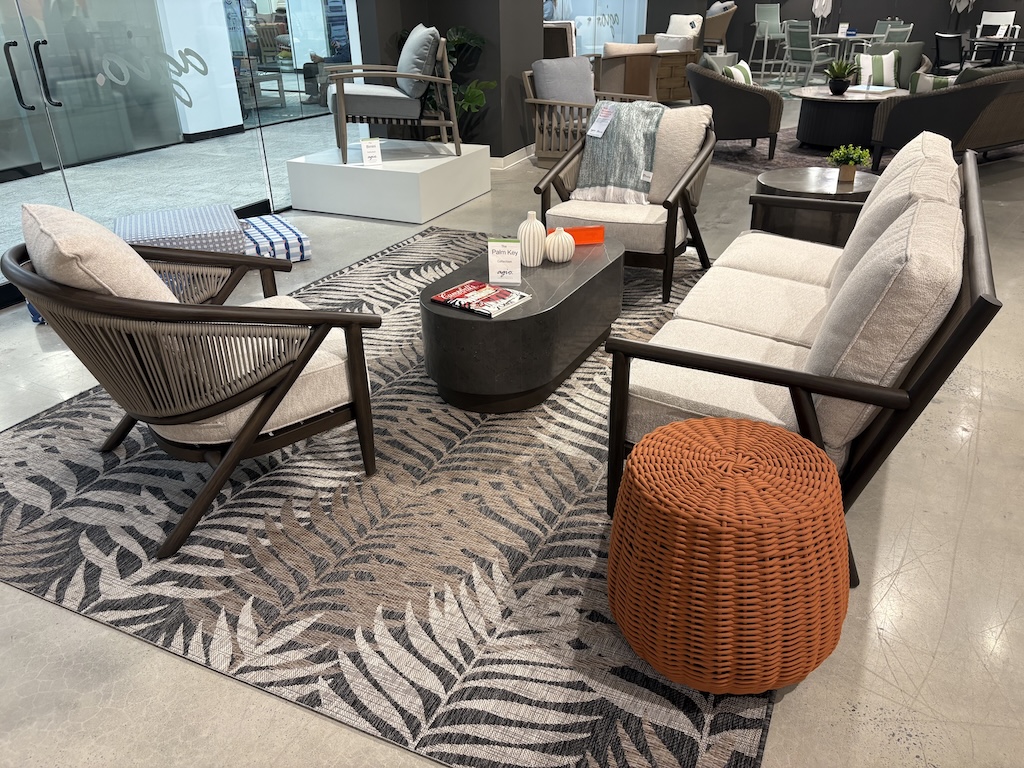
Agio, Four Hands and Polywood all showed at BDNY in November — alongside a spate of other hospitality-minded outdoor brands such as Couture Jardin, Summer Classics, Lloyd Flanders and Telescope Casual. And for newcomers to the category such as Polywood, the event helped solidify the confidence in their decision to go all-in on hospitality.
“BDNY was energizing. It’s one of the few places where the entire hospitality design community comes together, and the conversations there really shape what’s next for the industry,” Pierson said. “Being present gave us the chance to show the marketplace what Polywood can offer — not just in terms of product, but in reliability, sustainability and support. It validated how important this category is for us and how much opportunity there is to grow.”
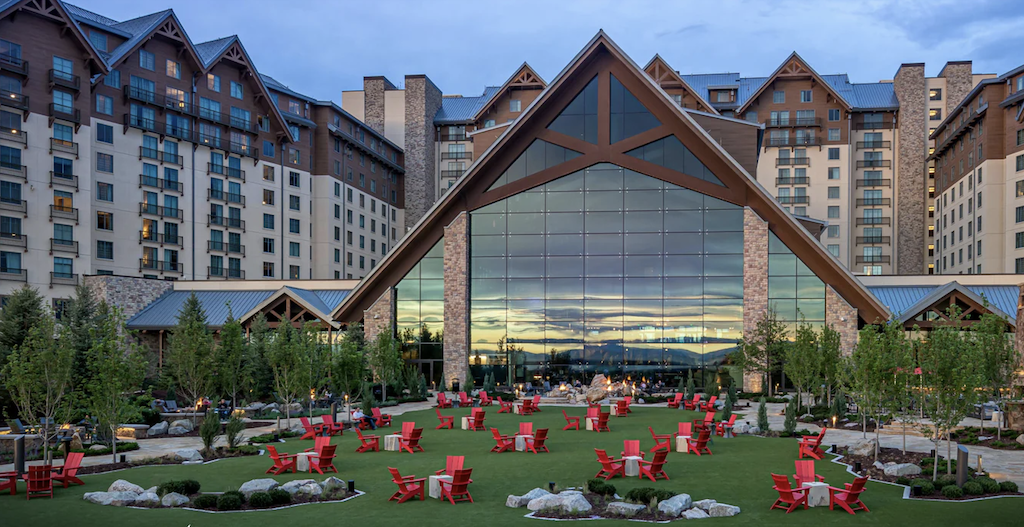
As the demand for travel grows, along with the desire to incorporate outdoor living spaces in everything from apartment communities to business parks, the potential for casual companies to boost their business through the hospitality and contract sector will continue to increase.
“The demand for outdoor spaces is only accelerating. Guests expect memorable, comfortable and well-designed outdoor environments — and operators are looking for furnishings that hold up season after season without compromising style,” Pierson said. “The next few years will bring more collaboration, more innovation and an even stronger focus on durability and environmental responsibility.”